
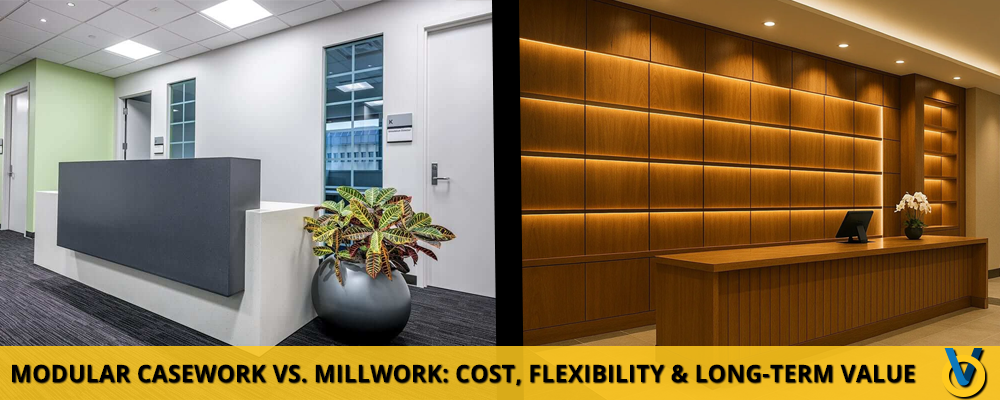
Modular Casework vs. Millwork: Cost, Flexibility & Long-Term Value
When designing a laboratory, healthcare facility, educational space, commercial workspace, or other professional environment, casework is a significant part of both the function and appearance of the space.
Two common options are Modular Casework and Traditional Millwork. While both can provide cabinets, work surfaces, and storage, they differ significantly in how they are manufactured, installed, modified, and maintained over the life of a facility.
The right choice should consider more than initial cost. Flexibility, durability, installation, future renovations, and long-term value can have an equally important impact on the investment.
WHAT IS MODULAR CASEWORK?
Modular casework refers to pre-fabricated, factory-made units, such as cabinets, shelving, and storage systems, designed for easy assembly and installation.
PROS
- Affordability: Modular casework is generally more cost-effective due to mass production and standardized designs.
- Speed and Efficiency: Pre-fabricated units allow for faster installation and reduced project timelines.
- Flexibility and Adaptability: Modular units can be easily reconfigured, relocated, or expanded as needed.
- Depreciation: A key advantage of modular casework is that it may be classified as furniture or equipment rather than a permanent building improvement, potentially allowing for a shorter depreciation schedule & greater tax advantages, depending on applicable tax rules.
- Easier Installation: Modular casework is easier to install than millwork, which is essentially constructed onsite.
CONS
- Potential for Compromised Aesthetics: Standardized designs may not always achieve the same level of aesthetic appeal as custom millwork. (Example: Designer might prefer handles or pull handles that the factory does not supply.)
- Lead Time: May have a longer lead time because its components are precision-manufactured, finished, and configured.
WHAT IS MILLWORK?
Millwork refers to woodwork crafted on-site, typically to specific dimensions and designs, encompassing elements like doors, trim, crown molding, and wall paneling.
PROS
- Customization: Millwork allows for bespoke designs and precise integration into a space.
- Architectural Character: It adds a sense of craftsmanship and elegance, enhancing the overall aesthetic.
- Durable and High-Quality: Both are often crafted by skilled artisans, millwork ensures a high level of quality and durability.
CONS
- Higher Cost: Custom construction typically involves higher labor and material costs.
- Longer Installation Time: On-site construction can be time-consuming. Custom fabrication and on-site installation can lead to longer lead times, especially during peak renovation periods.
- Damage: Accidental damage, such as nicks or spills, can be a concern with wood millwork, potentially leading to expensive repairs or replacements.
- Limited Reconfiguration: Millwork is generally difficult to relocate or reconfigure once installed. Millwork is designed for specific locations and dimensions, making it less flexible or interchangeable compared to modular options.
- Longer Depreciation: When classified as a permanent building improvement, it may be subject to a longer depreciation schedule than modular casework, potentially delaying tax benefits.
MILLWORK VS MODULAR CASEWORK
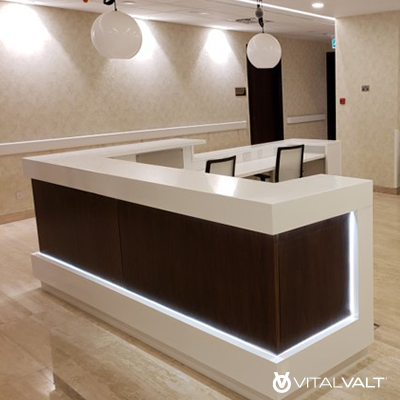
Traditional millwork is typically custom-built for a specific space, providing a highly tailored appearance and architectural character. Modular Casework offers a more flexible alternative, combining the appearance of built-in millwork with the advantages of prefabricated components, faster installation, adaptability, and long-term value.
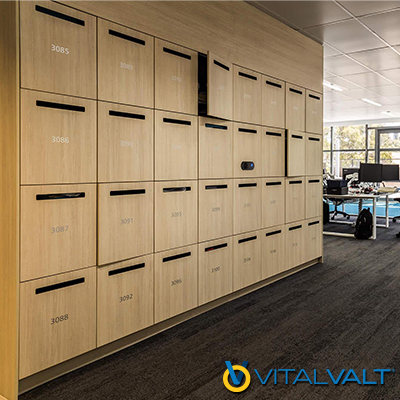
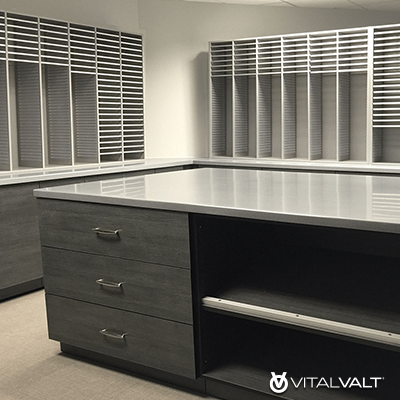
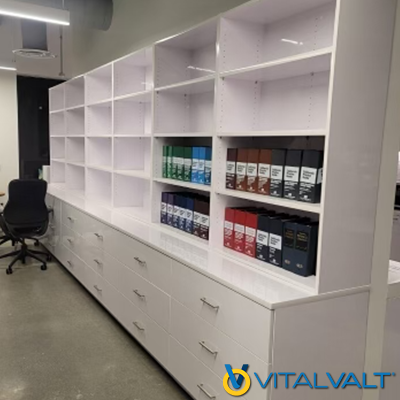
Our Modular Casework Systems are available in hundreds of height, width, and depth configurations, along with a wide selection of doors, drawers, shelving, sorters, and specialized storage components. This flexibility allows each system to be configured around your space, workflow, and specific storage requirements.
Choose from a broad selection of standard hardware, finishes, and materials, or customize the system to complement your facility. Cabinet bodies, doors, and kickplates can be manufactured using a combination of laminate, powder-coated steel, and stainless steel.
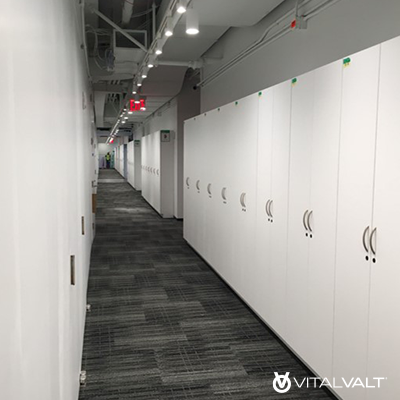
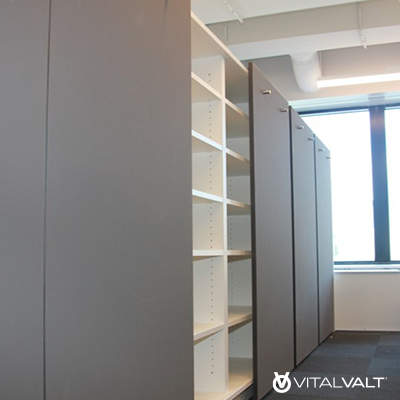
Systems can incorporate base cabinets, wall cabinets, corner cabinets, tall storage units, and specialized configurations to create a complete and coordinated workspace. Designed with the flexibility of furniture, modular casework can be customized, modified, relocated, reconfigured, and reused while maintaining the clean, finished appearance of traditional built-in millwork.
The result is a casework system that delivers the appearance of custom millwork with the flexibility to adapt as your facility changes.